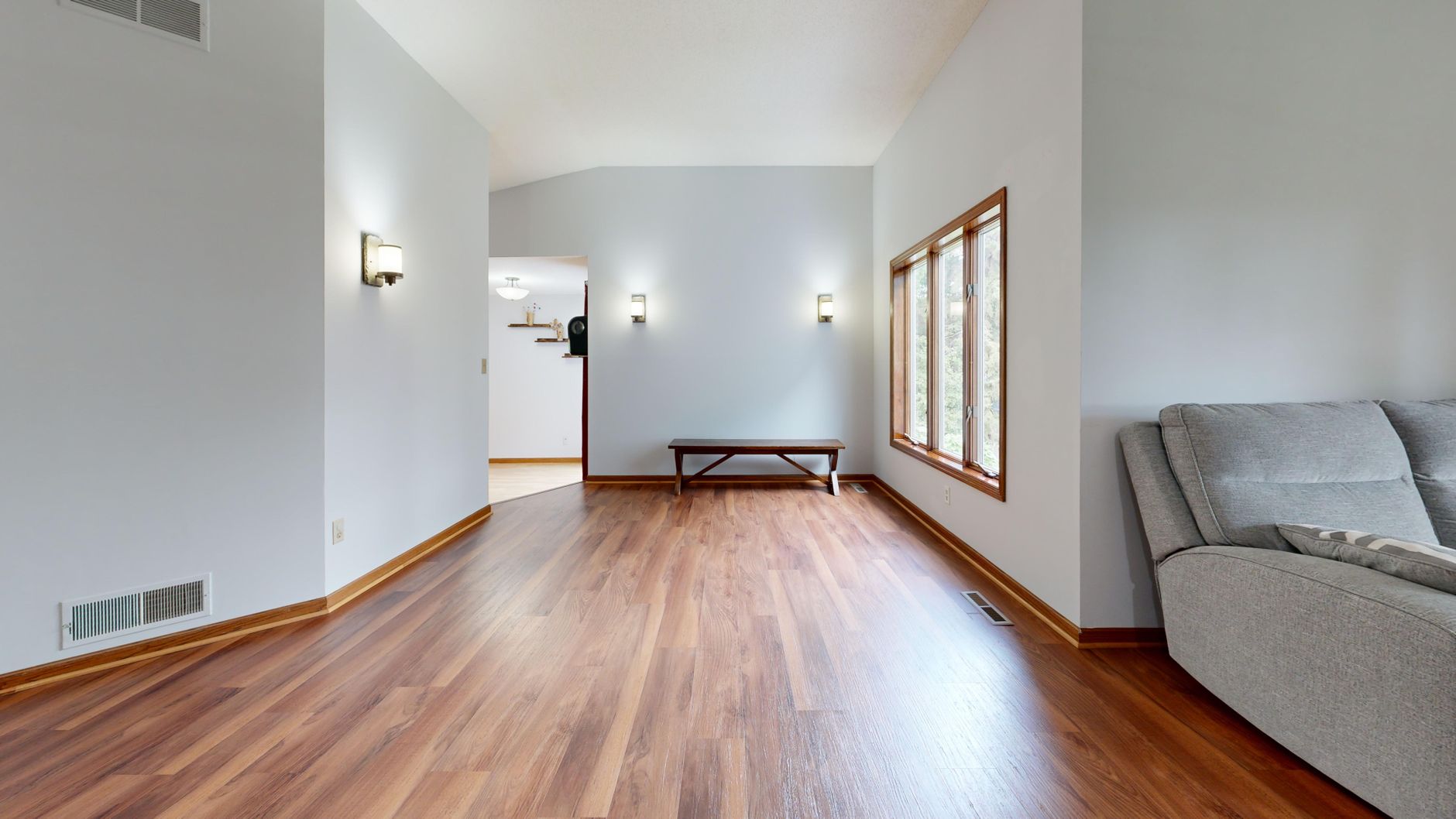
Flooring materials for Colorado houses
What each one is good at, what it costs installed here, and the rooms where it is the wrong answer.
Eight kinds of floor
What each one is good at, what it costs installed here, and the rooms where it is the wrong answer.
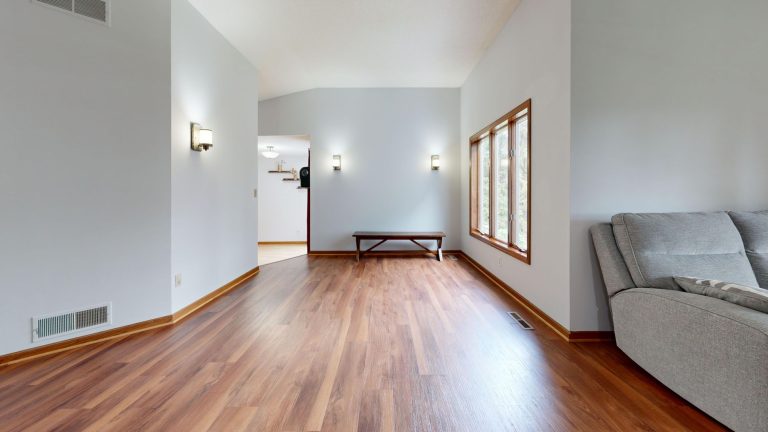
Hardwood
Solid and engineered. Still the best resale return on this list.
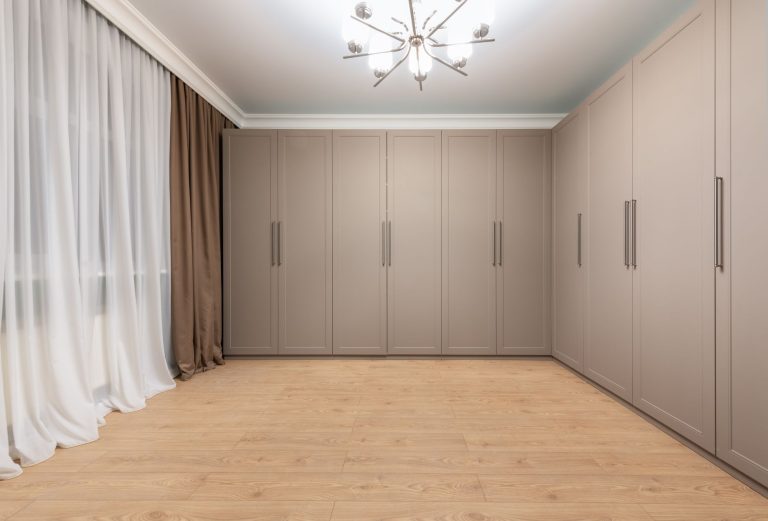
Luxury Vinyl Plank
Waterproof, and the usual answer below grade.
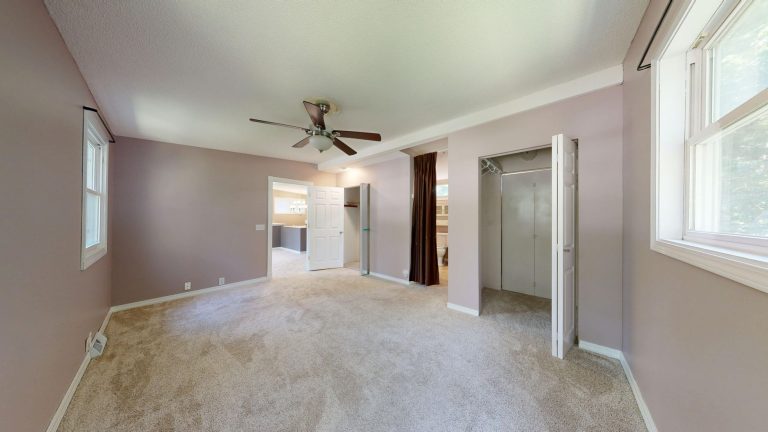
Carpet
Bedrooms, lower levels and the coldest rooms in the house.
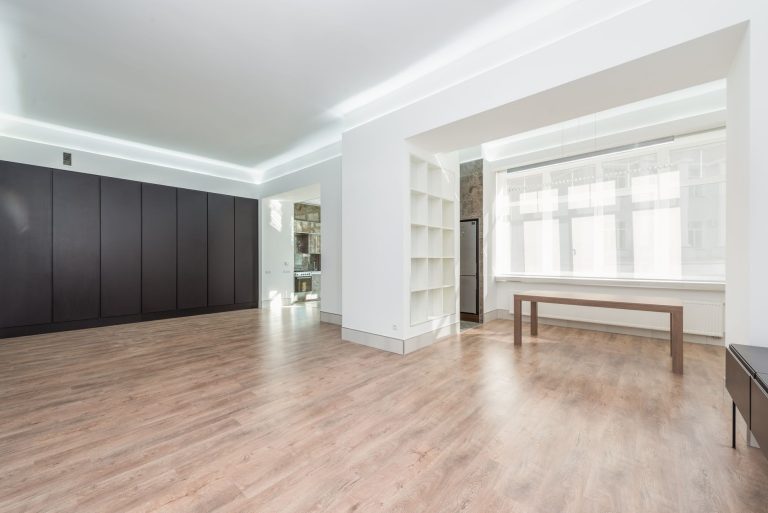
Refinishing
Sand, stain and seal the boards already under the carpet.
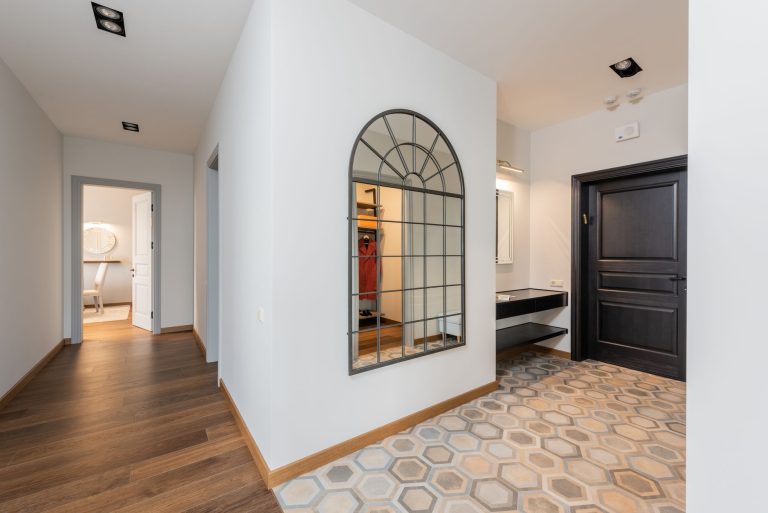
Tile & Porcelain
Entries and mudrooms that take salt and snowmelt all winter.
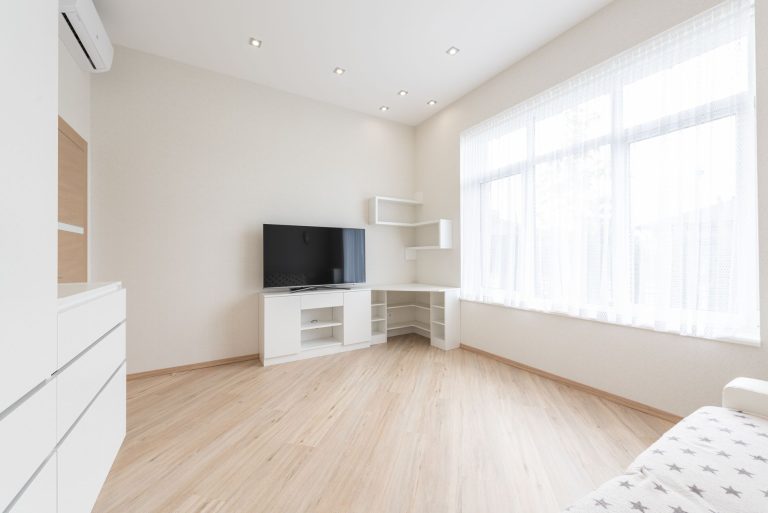
Laminate
The budget end done properly — and where it is a false economy.
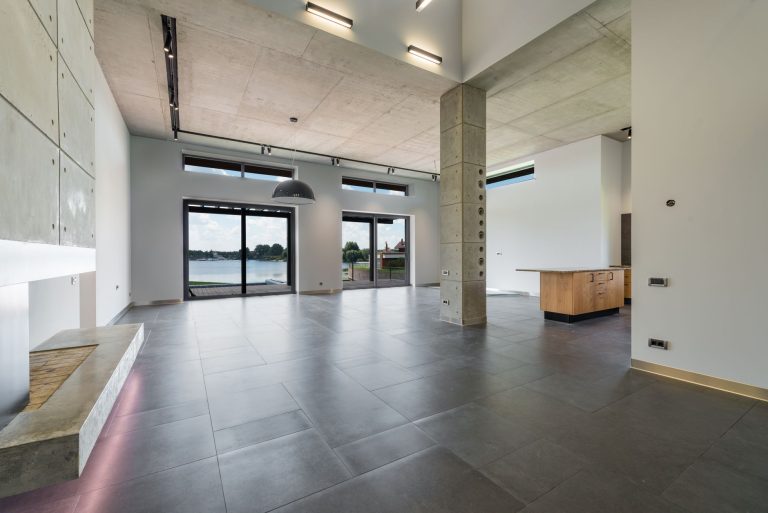
Natural Stone
Foyers and hearths, where the floor does the talking.
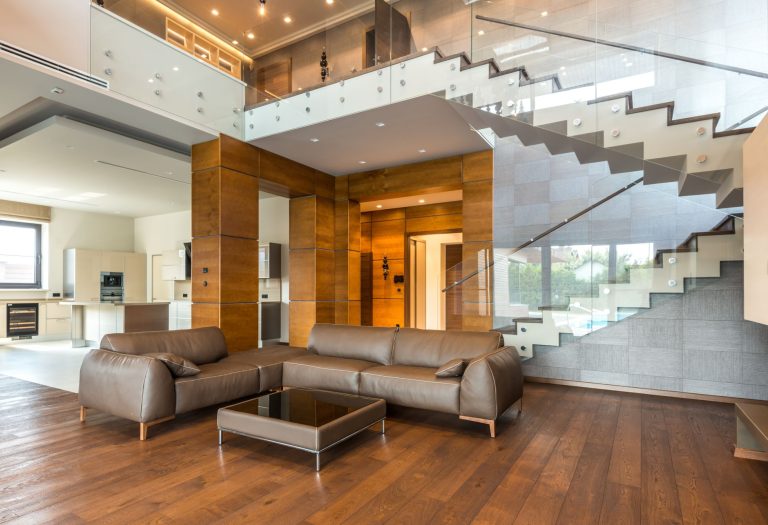
Stairs & Landings
Treads, risers and railings, split-level included.
Installed ranges across Colorado
Materials and labor together. The Denver metro metro sits at the top of each band; Pueblo, Fort Collins and greater Colorado sit at the bottom.
| Work | Installed range | |
|---|---|---|
| Hardwood, installed | $6 – $22 | per sq ft |
| Luxury vinyl plank | $2 – $12 | per sq ft |
| Carpet, installed | $2 – $8 | per sq ft |
| Laminate | $3 – $9 | per sq ft |
| Refinish existing boards | $3 – $8 | per sq ft |
| Tile, installed | $9 – $15 | per sq ft |
| Removing the old floor | $1 – $4 | per sq ft |
An estimate, not a quote. These are planning ranges for Colorado, not a quote. What you actually pay depends on your rooms, your subfloor and the material you choose.
Choosing between them
In a Colorado house the choice is narrowed by the building far more than by taste. Three
questions settle most of it:
- Is it below grade? If yes, wood products are out — that means solid hardwood
and laminate — and rigid-core luxury vinyl plank or tile is the answer. - What is the subfloor? A diagonal plank subfloor takes nailed solid hardwood
and carpet directly. Everything else wants an underlayment or an overlay first, and that is a real
cost. How to identify yours. - How much does the floor move? Old joists deflect, and rigid materials crack.
Tile and stone in an older house need a deflection check before a product is chosen, not
after.
And one that comes before all three: is there already a hardwood floor under the
carpet? In a great many Colorado houses there is, and
refinishing it costs roughly a third of replacing it.
Questions people actually ask
Why do hardwood floors gap in Colorado?
Dry air. Colorado sits near 30% relative humidity year-round and indoor air in winter often drops below 20%. Wood releases moisture into dry air and shrinks across the width of each board, which opens gaps at the seams. Holding the house in the 30-40% range through winter is what keeps it in check.
What moisture content should hardwood be at installation here?
Roughly 6-9% around Denver, against 10-13% at lower elevations. A floor installed to a national spec sheet is usually too wet for this climate and shrinks over the first heating season. Ask the installer what they targeted and what they measured on site.
Does a flooring contractor need a license in Colorado?
There is no statewide license for flooring or general contracting in Colorado - it is handled locally, and requirements differ between Denver, Colorado Springs, Aurora and every other jurisdiction. Ask which local registration they hold, then check insurance, references and a written contract.
Is engineered hardwood better than solid at altitude?
Often yes, and here that is a technical argument rather than a sales one. Engineered wood is more dimensionally stable across a large humidity swing, which is exactly what a Colorado year delivers. Solid hardwood still works, but it wants tighter humidity control.