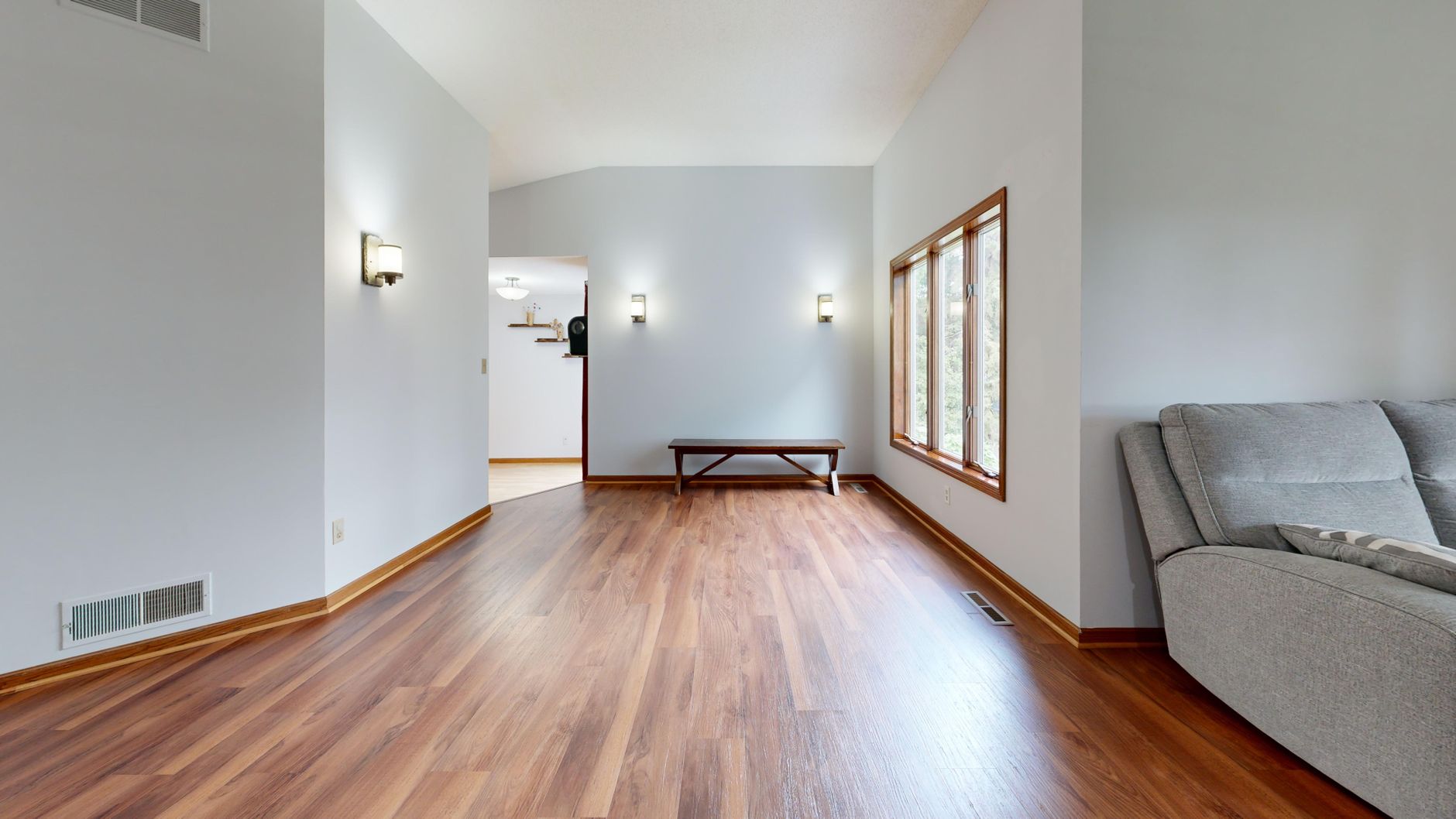
Flooring in Lakewood, Colorado
The median Lakewood home was built in 1977, and 2.7% of them predate 1940. That is what decides your floor here.
What Lakewood's housing stock does to a floor
Lakewood is first-ring postwar Denver — median 1977, almost nothing prewar. Ranches and split-levels on plywood subfloors with predictable framing. The deciding factor is usually humidity control rather than the structure underneath.
Unusually for Colorado, Lakewood and Jefferson County are close in age — 1977 against 1980 — so the housing you find in the city is broadly the housing you find around it. That makes the material advice on this page unusually portable across the wider area.
Neighborhood to neighborhood this varies, and around Belmar, Green Mountain, Applewood, Bear Creek and Morrison you will find a real spread
of build eras inside a few miles. The figures below are the city-wide picture; your own block may
sit either side of it.
| Measure | Lakewood | Colorado |
|---|---|---|
| Median year built | 1977 | 1965 |
| Built before 1940 | 2.7% | 25.0% |
| Surrounding county median | 1980 | — |
Housing figures for this page: U.S. Census Bureau, American Community Survey 2020–2024 5-year estimates, tables B25034 and B25035.
What flooring costs in Lakewood
Installed ranges, materials and labor together, with Denver metro labor rates
applied. Material prices are national and do not move with your address; labor does, which is why
only that half of each figure is adjusted.
| Work | Per sq ft, installed |
|---|---|
| Hardwood, installed | $6 – $21.5 |
| Refinishing existing boards | $3 – $8 |
| Luxury vinyl plank, installed | $2 – $12.5 |
| Carpet, installed | $2 – $8 |
| Tile, installed | $9.5 – $14.5 |
| Laminate, installed | $3 – $10.5 |
An estimate, not a quote. These are planning ranges for Colorado, not a quote. What you actually pay depends on your rooms, your subfloor and the material you choose.
For a number against your own room rather than a band, the
cost estimator takes your dimensions, your material and
your conditions and shows the working. It is free, it needs no email, and nobody calls you.
Lakewood flooring services
- Hardwood Flooring Installation in Lakewood
- Hardwood Floor Refinishing in Lakewood
- Luxury Vinyl Plank Flooring in Lakewood
- Carpet Installation in Lakewood
Every material we cover, with what it costs installed in Colorado and where it is the wrong
answer, is on the materials index.
Before you start, in a house this age
With 2.7% of Lakewood homes built before 1940, three checks are worth doing before you
choose anything:
- Look under the carpet. Narrow-strip oak was standard here and a great deal of
it survives. Refinishing usually costs about a third of
replacing. - Find out what the subfloor is. Plank or plywood changes the price of every
material except solid hardwood and carpet.
How to check in five minutes. - Check the basement for 9×9 tile. It changes what preparation is permitted.
What to do about it.
And when you are comparing quotes, ask for the contractor’s PA Home Improvement Contractor
number — it is required to be on the estimate.
How to check one.
Questions people actually ask
Why do hardwood floors gap in Colorado?
Dry air. Colorado sits near 30% relative humidity year-round and indoor air in winter often drops below 20%. Wood releases moisture into dry air and shrinks across the width of each board, which opens gaps at the seams. Holding the house in the 30-40% range through winter is what keeps it in check.
What moisture content should hardwood be at installation here?
Roughly 6-9% around Denver, against 10-13% at lower elevations. A floor installed to a national spec sheet is usually too wet for this climate and shrinks over the first heating season. Ask the installer what they targeted and what they measured on site.
Does a flooring contractor need a license in Colorado?
There is no statewide license for flooring or general contracting in Colorado - it is handled locally, and requirements differ between Denver, Colorado Springs, Aurora and every other jurisdiction. Ask which local registration they hold, then check insurance, references and a written contract.
Is engineered hardwood better than solid at altitude?
Often yes, and here that is a technical argument rather than a sales one. Engineered wood is more dimensionally stable across a large humidity swing, which is exactly what a Colorado year delivers. Solid hardwood still works, but it wants tighter humidity control.