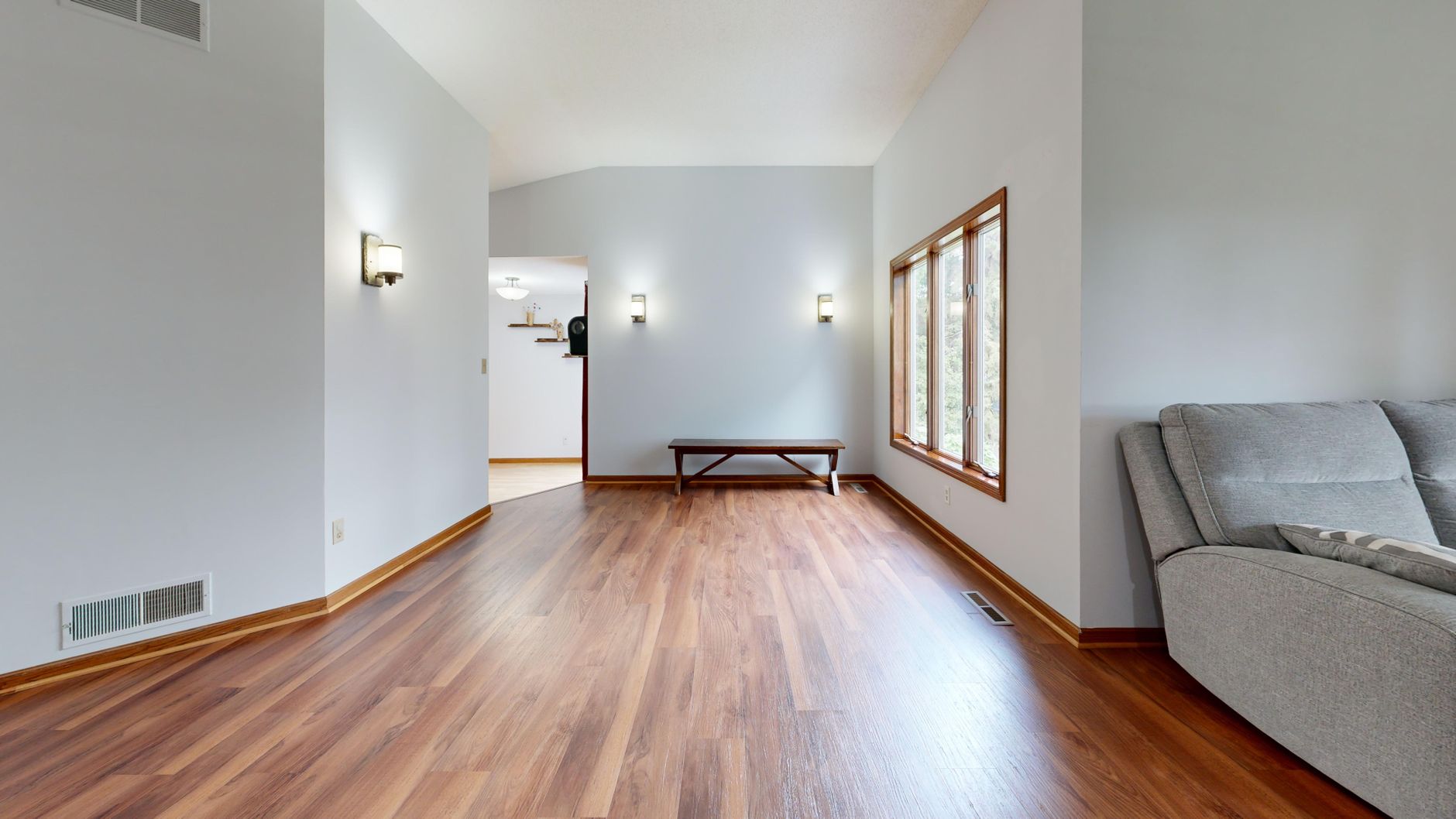
Hardwood Flooring Installation in Denver, Colorado
What it costs, and what Denver's housing stock does to the job.
Hardwood flooring in a 1975-median city
The median Denver home was built in 1975 and 16.9% of the city’s housing
predates 1940. For hardwood flooring specifically, that is not background color — it is the thing that
decides the job.
This is one of the few Colorado markets where what is under the floor is a real question. In pre-1940 housing the subfloor is often 1×6 boards laid diagonally rather than sheet goods — a sound assembly, but not the flat continuous surface most modern floating products need. Solid hardwood nailed across the planks is happy; everything else usually wants an underlayment or a plywood overlay first. Then the altitude question applies on top: 6–9% moisture content and a long acclimation, regardless of the era of the house.
Denver holds more of Colorado’s older housing than anywhere except Pueblo — 16.9% predates 1940 against a median build year of 1975. A Baker bungalow and a 1990s build in Green Valley Ranch are the same city and completely different flooring jobs. What they share is the altitude: at 5,280 feet the air is dry enough year-round that acclimation and moisture content matter more than the age of the subfloor.
What it costs in Denver
Denver metro labor runs above the Colorado baseline, which is why the range below sits higher than the statewide $6–$21. Installed, materials and labor together:
| Work | Denver range | Colorado range |
|---|---|---|
| Hardwood, installed | $6 – $21.5 a square foot | $6 – $21 a square foot |
An estimate, not a quote. These are planning ranges for Colorado, not a quote. What you actually pay depends on your rooms, your subfloor and the material you choose.
Extras are where a Denver job most often moves away from the band: removing the old floor,
prepping a plank subfloor, and stairs. The
cost estimator prices those separately against your own
room.
Questions worth asking before you book
- What is the subfloor, and what does it need? With 16.9% of Denver homes predating 1940 — more older stock than anywhere in Colorado except Pueblo — a plank subfloor is a real possibility rather than an edge case, and it moves the prep line on the quote.
How to identify yours. - Is the old floor coming out or being covered? Covering costs less and is
sometimes the safer answer — particularly over
9×9 tile — but it costs you height at doors and
at the bottom stair riser. - What is the cut-and-waste allowance? A century-old house is rarely square, and
cuts are labor. - What is your PA Home Improvement Contractor number? It is legally required to
be on the estimate. How to check it.