Hardwood destined for a Denver installation should read between 6% and 9% moisture content, and it should be within 2 to 4 percentage points of the subfloor it’s going onto. That’s noticeably drier than the 8-12% ranges quoted in national flooring literature, because Denver’s air is drier than most of the country’s, and wood settles to match the air around it.
The number itself isn’t the hard part — a moisture meter gives you that in seconds. Getting the wood to actually reach it, and confirming the subfloor agrees, is where installations go wrong.
Why is Denver’s target lower than the national number?
Wood doesn’t hold a fixed moisture level. It equalizes with the humidity of the room it sits in, a property called equilibrium moisture content. Denver’s low relative humidity — often under 20% indoors during heating season — pulls wood drier than it would go in a coastal or Midwest climate.
A board manufactured and shipped at 9-11% moisture content, which is normal for mills in the Southeast or Midwest, arrives in Denver already too wet for the room it’s about to occupy. Left uncontrolled, that board sheds moisture into the dry indoor air after installation and shrinks. That’s the gapping problem described in more detail on this site’s humidity gapping article — and it starts before the first board is nailed, not after.
How do you actually measure moisture content?
A pin-type or pinless moisture meter is used directly on the flooring material and separately on the subfloor. Readings are taken at multiple boards across the pallet, not just the top piece, since moisture can vary board to board even within the same shipment.
- Flooring should read 6-9% moisture content once acclimated.
- Subfloor moisture should be checked at the same time, in several locations.
- The gap between flooring and subfloor readings should not exceed about 2-4 percentage points, depending on the wood species and plank width — wider plank hardwood is less forgiving of a mismatch than narrow strip.
A single reading from one board tells you almost nothing. Consistency across the stack is what indicates the material is actually ready, not just that one plank happened to land in range.
How long does hardwood need to acclimate in Denver?
Most manufacturers and installers reference 7 to 14 days of on-site acclimation in Colorado, not the 3-5 days sometimes cited for milder climates. The difference matters enough that this site covers it as its own subject at Acclimating Hardwood at Altitude.
Acclimation means the flooring sits inside the actual room — not the garage, not a covered patio — with the HVAC running at the conditions the home will normally hold, boards spaced or stickered so air reaches all sides. A shorter window in Denver’s thin, dry air often looks fine on a meter reading and still isn’t actually stable, because the wood’s core hasn’t caught up with its surface.
What happens if hardwood is installed too wet?
Installing hardwood above its target moisture content is the single most common cause of gapping in Colorado homes. The board arrives wide, gets fastened down wide, then dries and shrinks in place once the heating season starts and indoor humidity drops. The result is visible seams between boards, usually most noticeable by the first winter.
Cupping is the opposite failure — installed too dry, then exposed to a moisture source from below, such as a slab without a vapor barrier or a crawlspace with standing moisture. Both failures trace back to the same root cause: the flooring’s moisture content didn’t match its environment at the time of installation.
Does the subfloor matter as much as the flooring?
Yes, and in older Denver housing it sometimes matters more. Denver’s median home was built in 1975, with 16.9% of the housing stock built before 1940 — older than most Front Range suburbs, though nowhere near the age of a place like Pueblo. A home from that older slice of the stock may have a diagonal 1×6 plank subfloor instead of plywood, and that plank subfloor holds and releases moisture differently than sheet goods do.
A slab-on-grade subfloor introduces a separate variable: moisture rising from the concrete itself, which a surface meter reading alone won’t always catch. Concrete slab moisture testing typically calls for a calcium chloride test or an in-situ relative humidity probe, not just a pin meter pressed to the surface. That distinction is worth raising with whoever is doing the testing before installation day, not after.
What about engineered hardwood — same target?
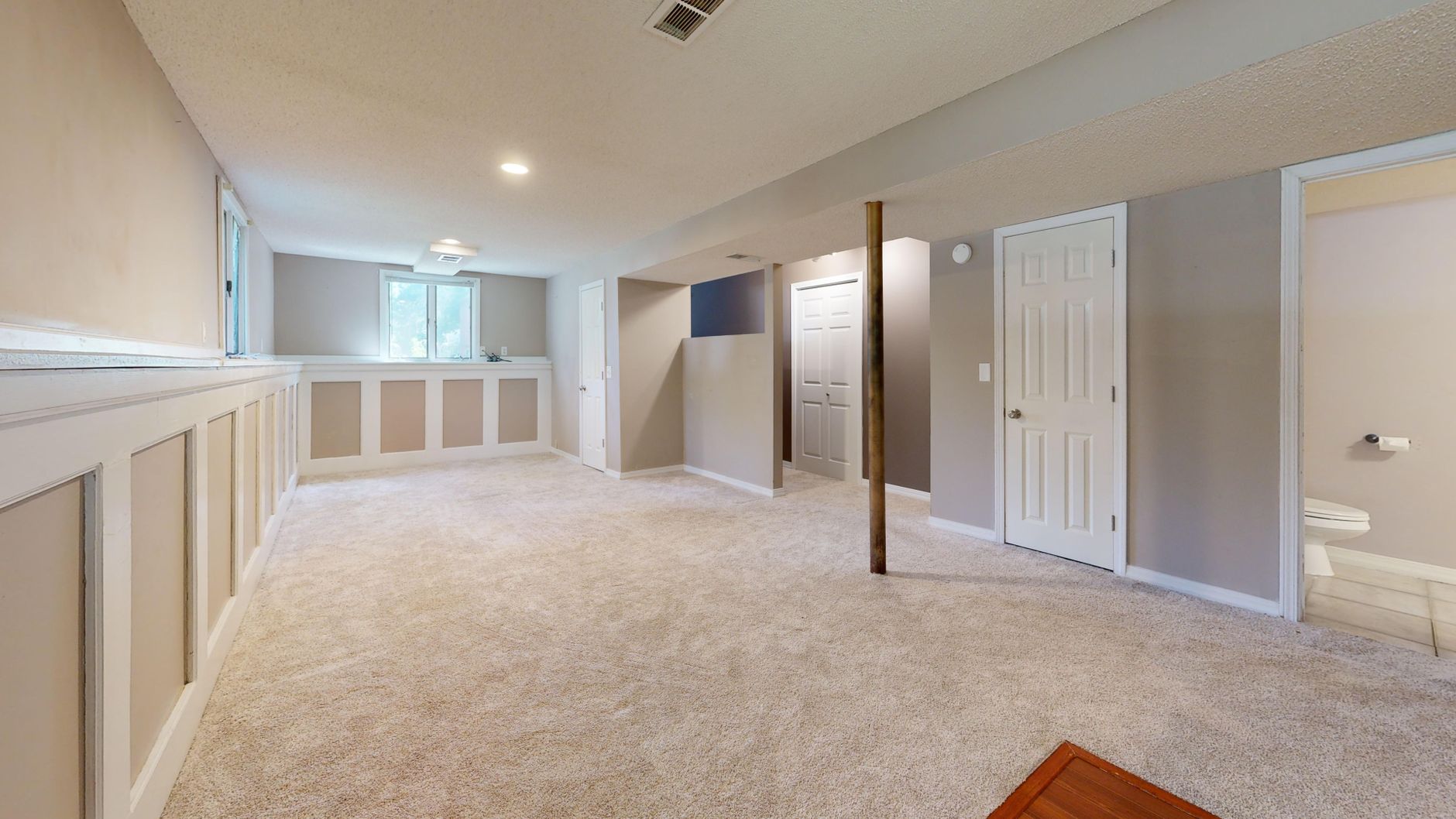
Engineered hardwood’s plywood or HDF core is more dimensionally stable than solid wood, so it tolerates a slightly wider moisture range and needs less acclimation time. It’s still not immune to Denver’s dry air, and it still should be checked with a meter rather than assumed. Engineered product is generally the safer call over a concrete slab or in a basement, precisely because its layered construction resists the swings that damage solid wood in those locations. The trade-offs between solid and engineered, and where each belongs, are laid out on the flooring materials hub.
Where does solid hardwood not belong at all?
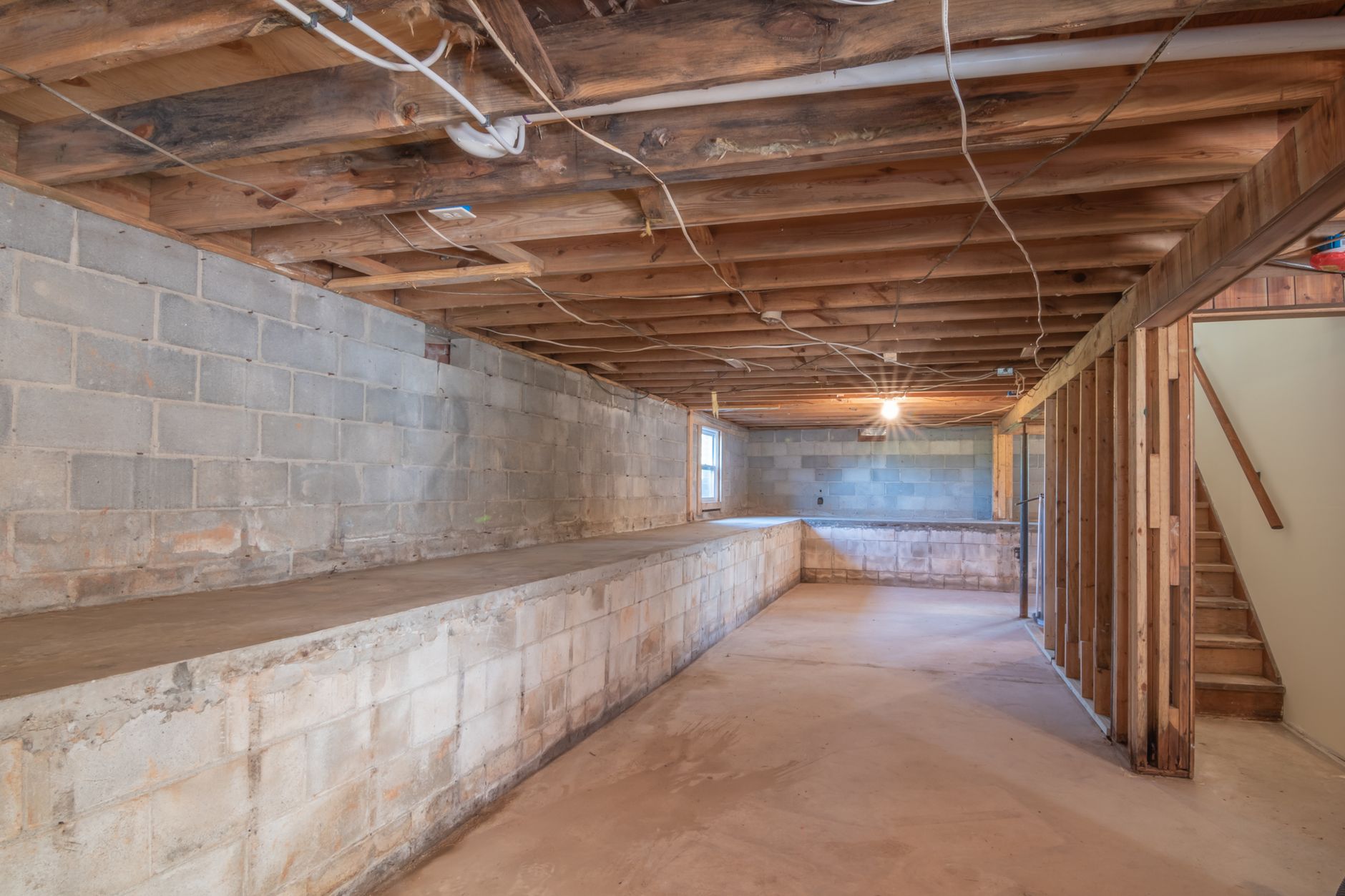
Moisture control has limits, and no acclimation schedule fixes a room that’s fundamentally wrong for solid wood. Full bathrooms, laundry rooms, and any space with a floor drain or regular standing water are poor candidates regardless of how carefully the moisture content is managed going in. Below-grade basements are workable only with engineered product and a vapor barrier — solid hardwood over a below-grade slab is a recurring failure point, not an edge case.
For those rooms, tile, luxury vinyl plank, or a fully engineered wood product are the more defensible choices, and it’s worth saying so plainly rather than stretching hardwood into a location it doesn’t tolerate.
What does this add to the cost of a hardwood job?
Moisture testing and proper acclimation don’t usually appear as a separate line item — they’re part of what a competent installation already includes. But a subfloor that fails moisture testing can add cost: a plywood subfloor may need replacement, a slab may need a vapor barrier or moisture mitigation coating, and time spent waiting out an extended acclimation period is time the job isn’t billing labor.
Site-published ranges for installed hardwood in Colorado run $6 to $21 per square foot, with the spread driven by species, plank width, subfloor condition, and exactly these kinds of prep issues. These are planning figures, not a quote for any specific home — the flooring cost estimator is the better tool for narrowing that range to a specific room and material, and the flooring cost hub breaks the range down by material and city.
Frequently asked questions
Can I install hardwood the same day it arrives in Denver?
No. Even engineered product benefits from a brief adjustment period, and solid hardwood generally needs 7-14 days of on-site acclimation in Colorado’s dry conditions before it’s stable enough to install without risking later gapping.
What moisture meter should be used — pin or pinless?
Both are used in practice. Pin meters read moisture at a specific depth and are common for spot-checking flooring stacks; pinless meters scan a wider surface area without marking the wood. Either works if used consistently across multiple boards and locations.
Does Denver’s altitude affect moisture content directly?
Altitude affects it indirectly, through humidity. Denver’s dry climate and heated indoor air in winter push relative humidity below 20% in many homes, and it’s that low humidity — not altitude itself — that pulls wood moisture content down to the 6-9% target range.
Who should verify subfloor moisture before installation?
Whoever is performing the installation should test and document both the flooring and subfloor moisture content before work begins. For questions about a specific contractor’s practices or standing, Colorado’s contractor registry is maintained by the Colorado Office of the Attorney General.
Related reading on preparation and repair sits in the site’s Installation & Prep archive and Care & Repair archive, and the nine-city breakdown of Colorado’s housing stock is at Colorado Flooring by City.
CO Floors is an independent Colorado flooring resource. We do not sell or install flooring, we do not quote jobs, and nobody from this site will call you. Cost figures here are published planning ranges for Colorado, not quotes — what you actually pay depends on your rooms, your subfloor and the material you choose, and the final price depends on your project. Photography is licensed stock used to illustrate materials and rooms; it is not work by anyone connected to this site. Building code and permit requirements are enforced locally in Colorado, so confirm anything regulatory with your own municipality before you rely on it.
Any prices mentioned are indicative only. Tool prices move constantly and vary by market, by retailer, and by whether a kit includes batteries or a charger — check the current price yourself before deciding.
Featured image: Photo by Curtis Adams via Pexels.